Florida
Storm surge, rapid intensification, and a peninsula where one storm can affect multiple coasts.
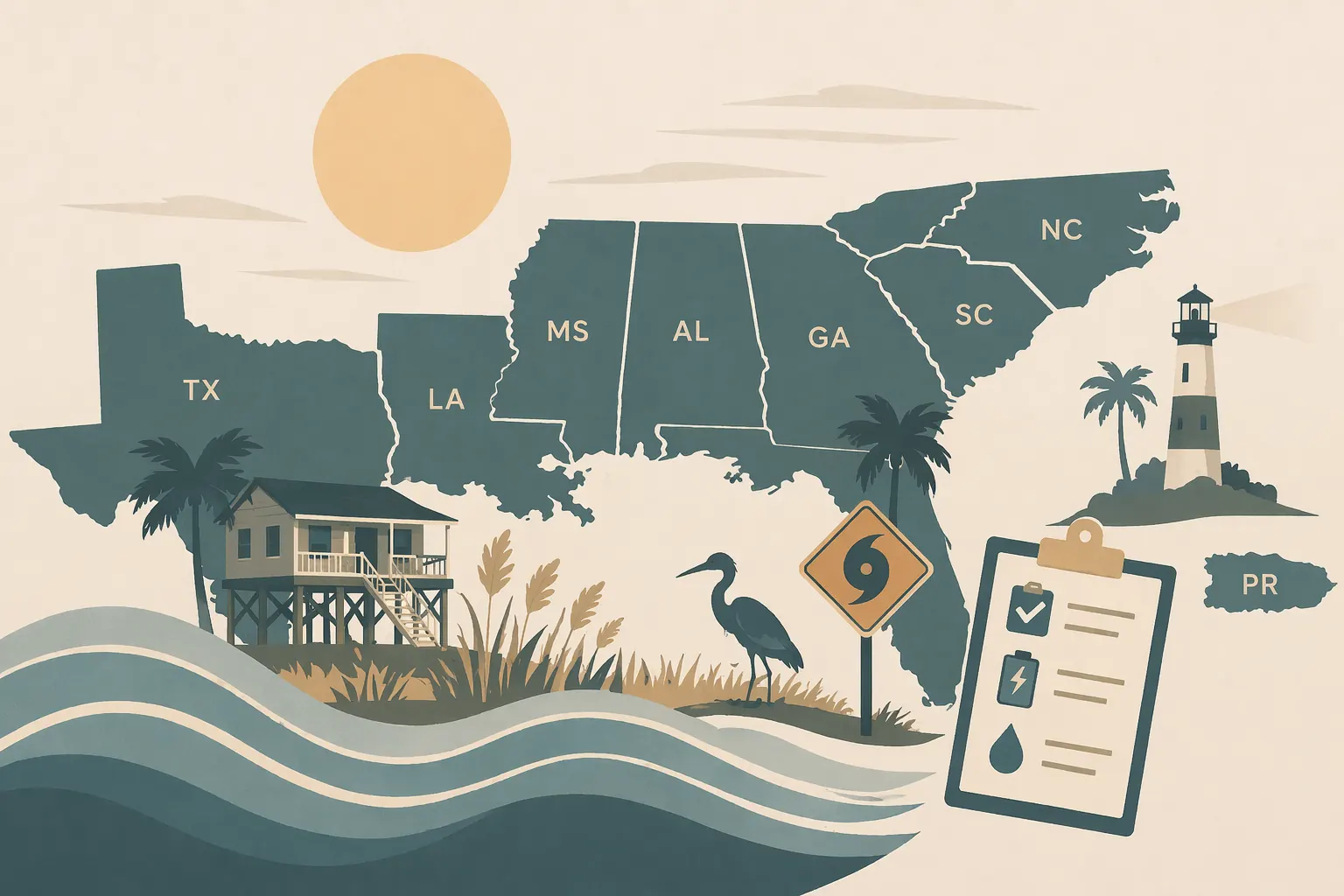
Start here if geography comes first. Each guide covers what's specific to your coast — local risk, what changes about the standard kit, and which agencies to bookmark before the season.
These are not fifty-state profile pages. They are practical coastal guides organized around the places where hurricane planning actually changes: geography, evacuation patterns, flood risk, and the agencies you need to know before a storm is on the map.
Storm surge, rapid intensification, and a peninsula where one storm can affect multiple coasts.
A long Gulf Coast, inland flood risk, and very different evacuation realities from Houston to the Valley.
Land loss, slow drainage, and one of the most structurally vulnerable coastlines in North America.
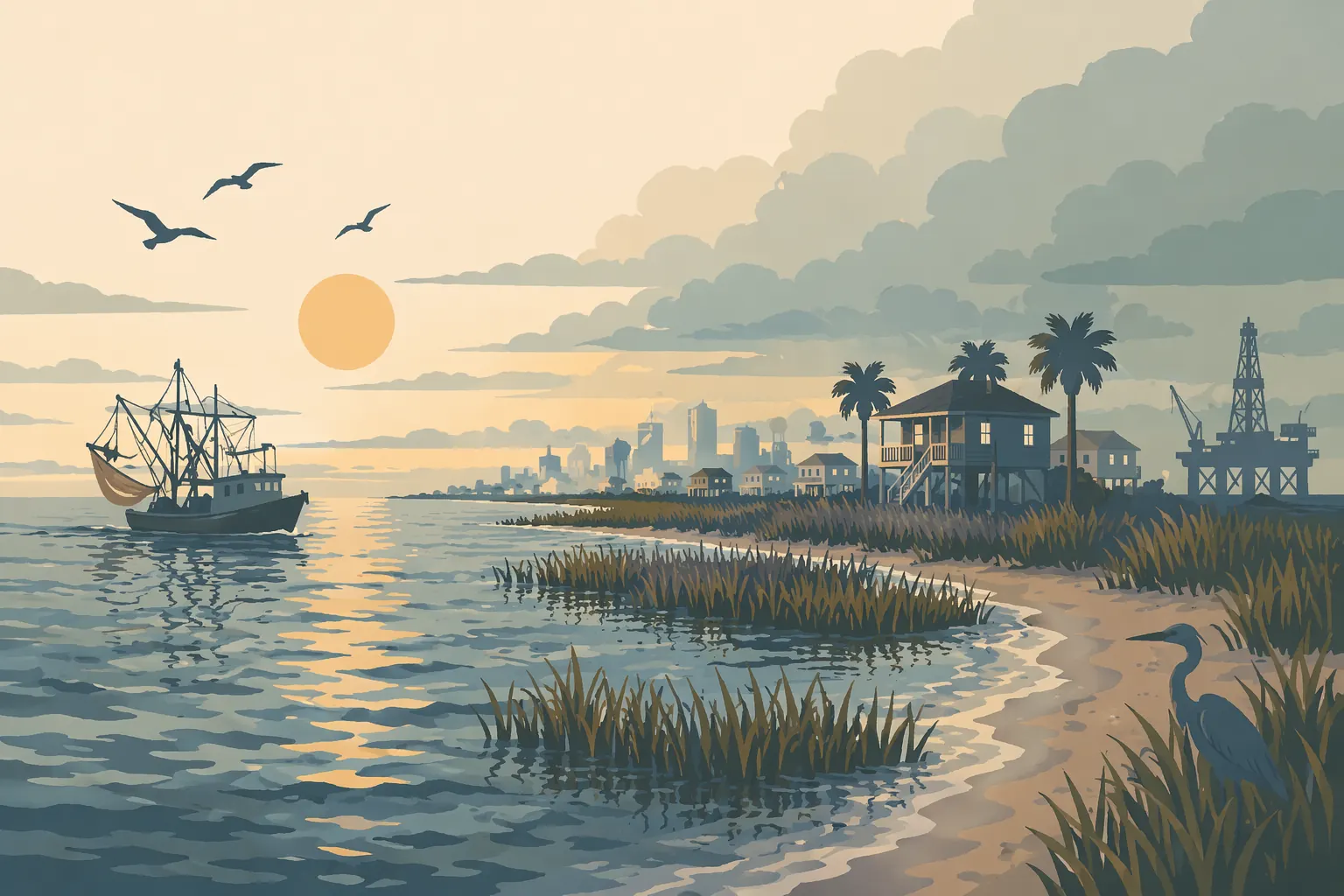
What Texas through Florida share: hot-weather outages, surge exposure, and long recovery windows.
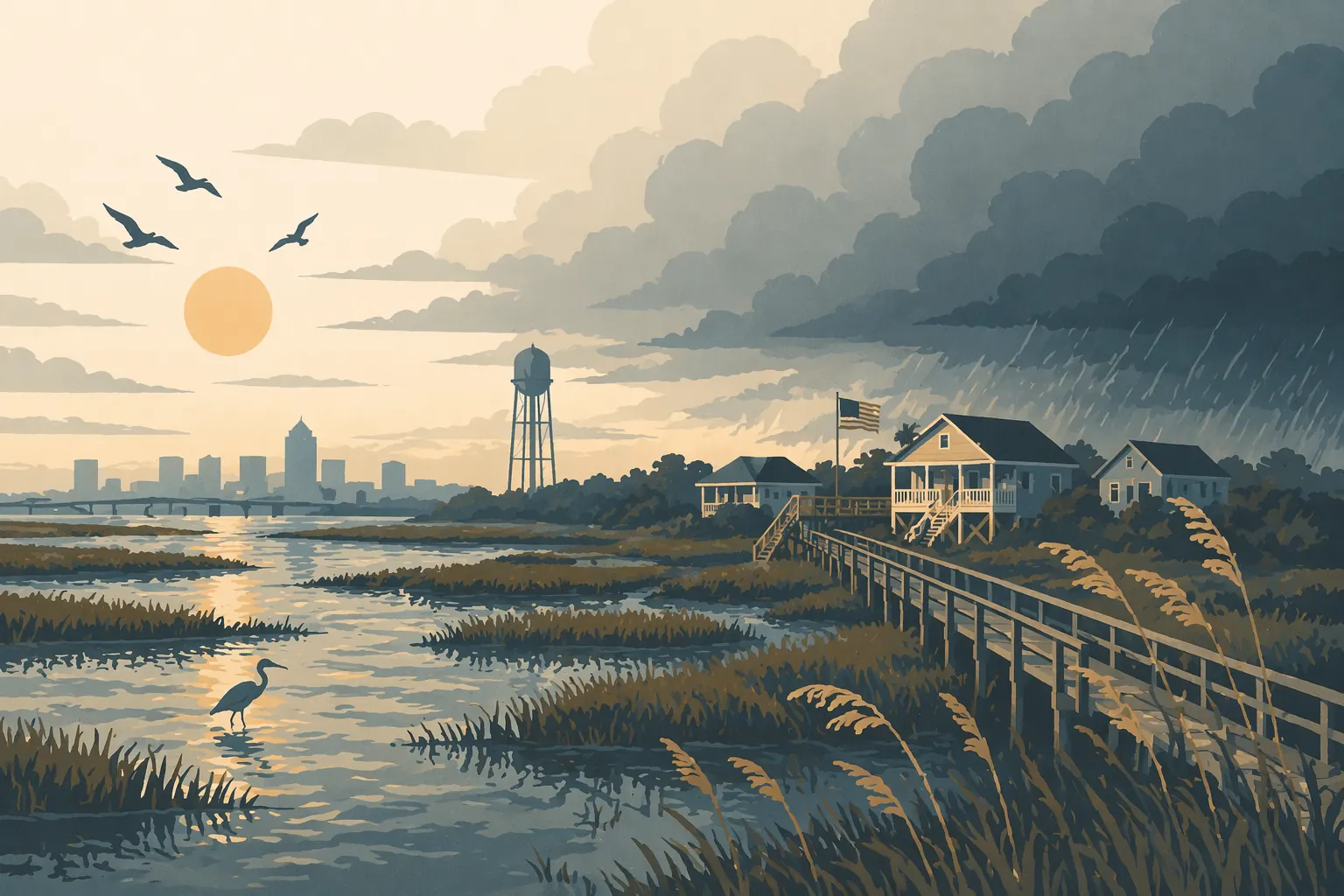
Outer Banks evacuations, coastal surge, and inland flooding from storms that keep traveling after landfall.
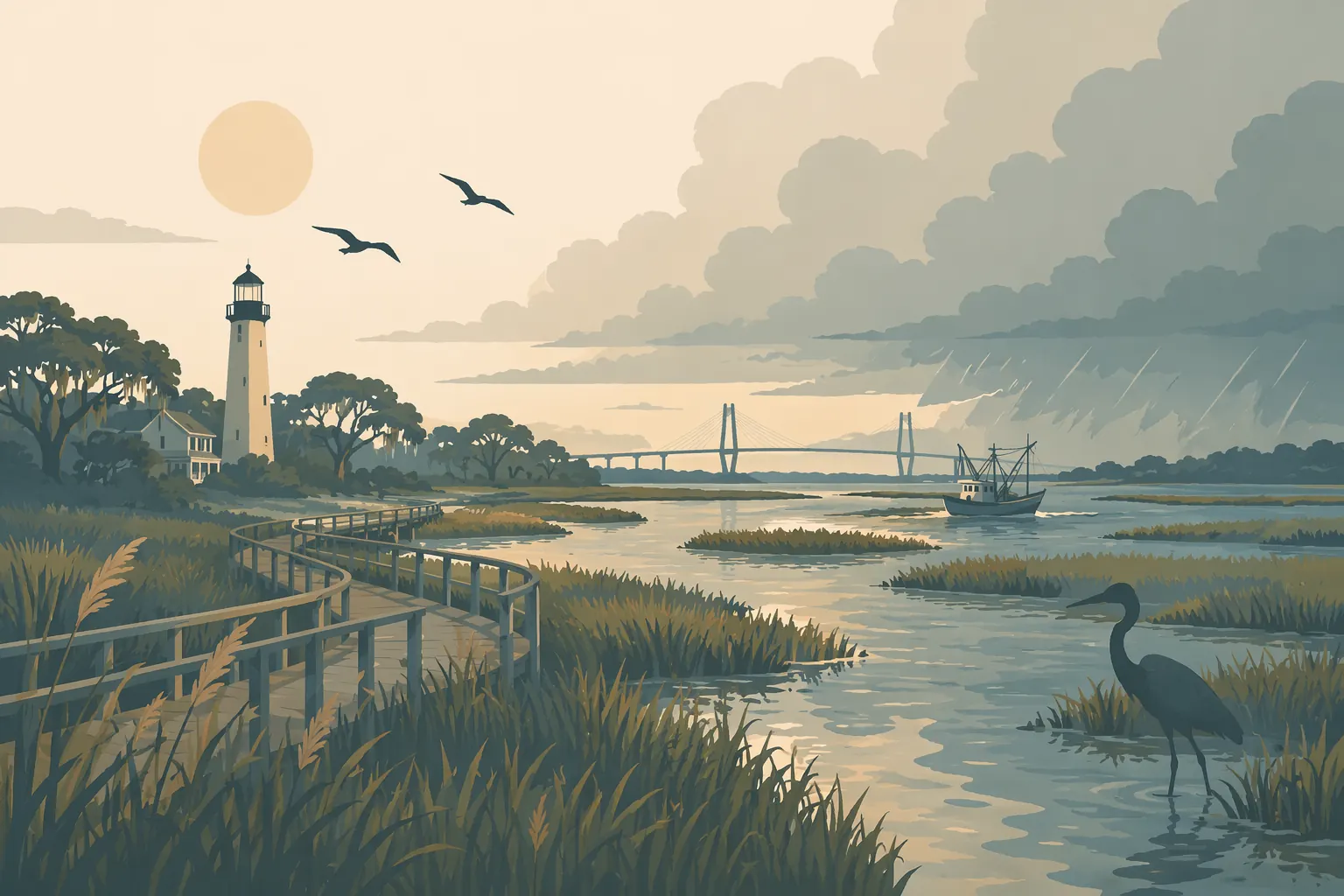
Golden Isles surge risk, coastal wind exposure, and tropical remnants that still matter well inland.
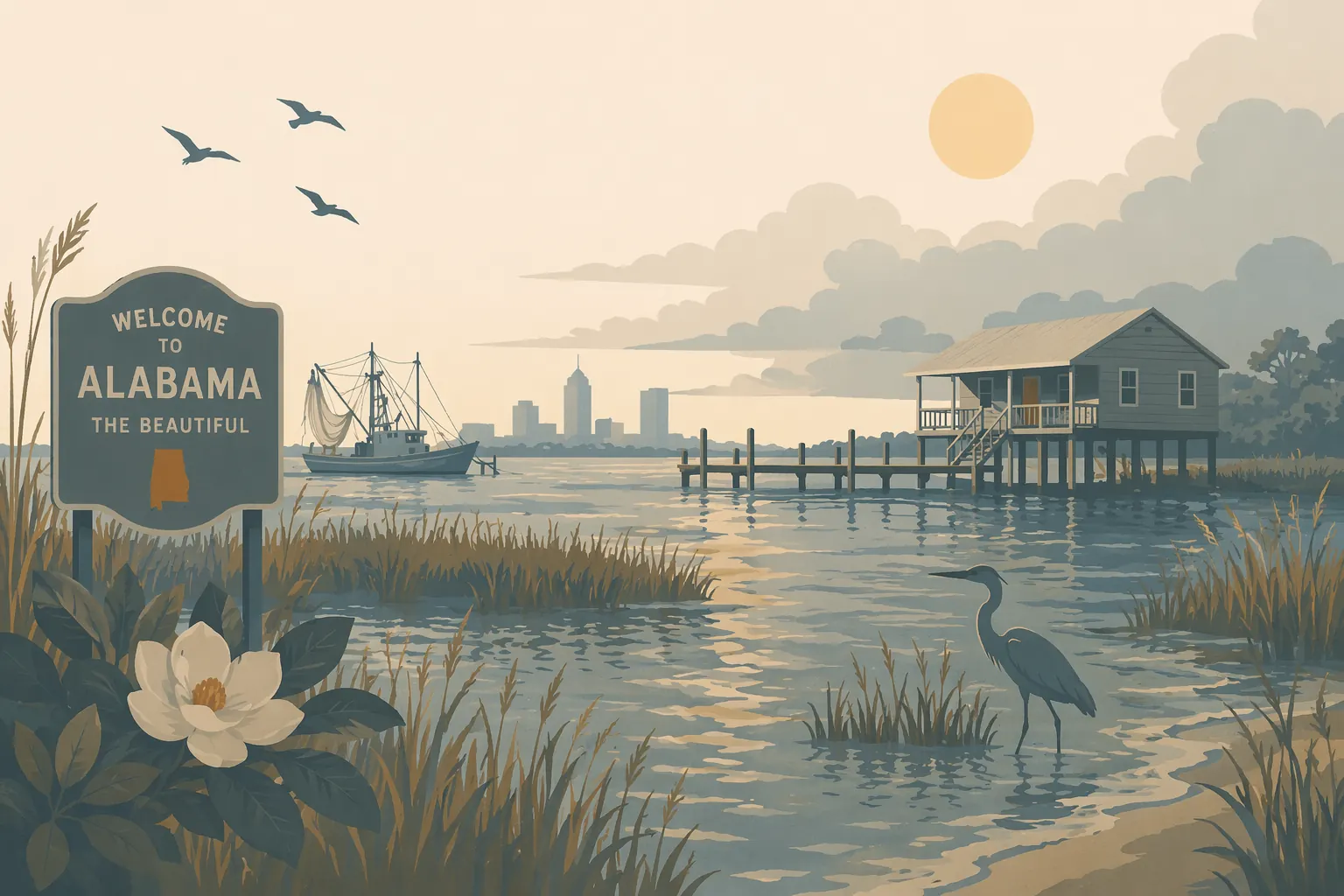
A short coastline with serious Mobile Bay surge exposure and flood risk that extends well beyond the beach.

A coast defined by Katrina’s surge history and inland flooding from Gulf storms that do not end at the shoreline.
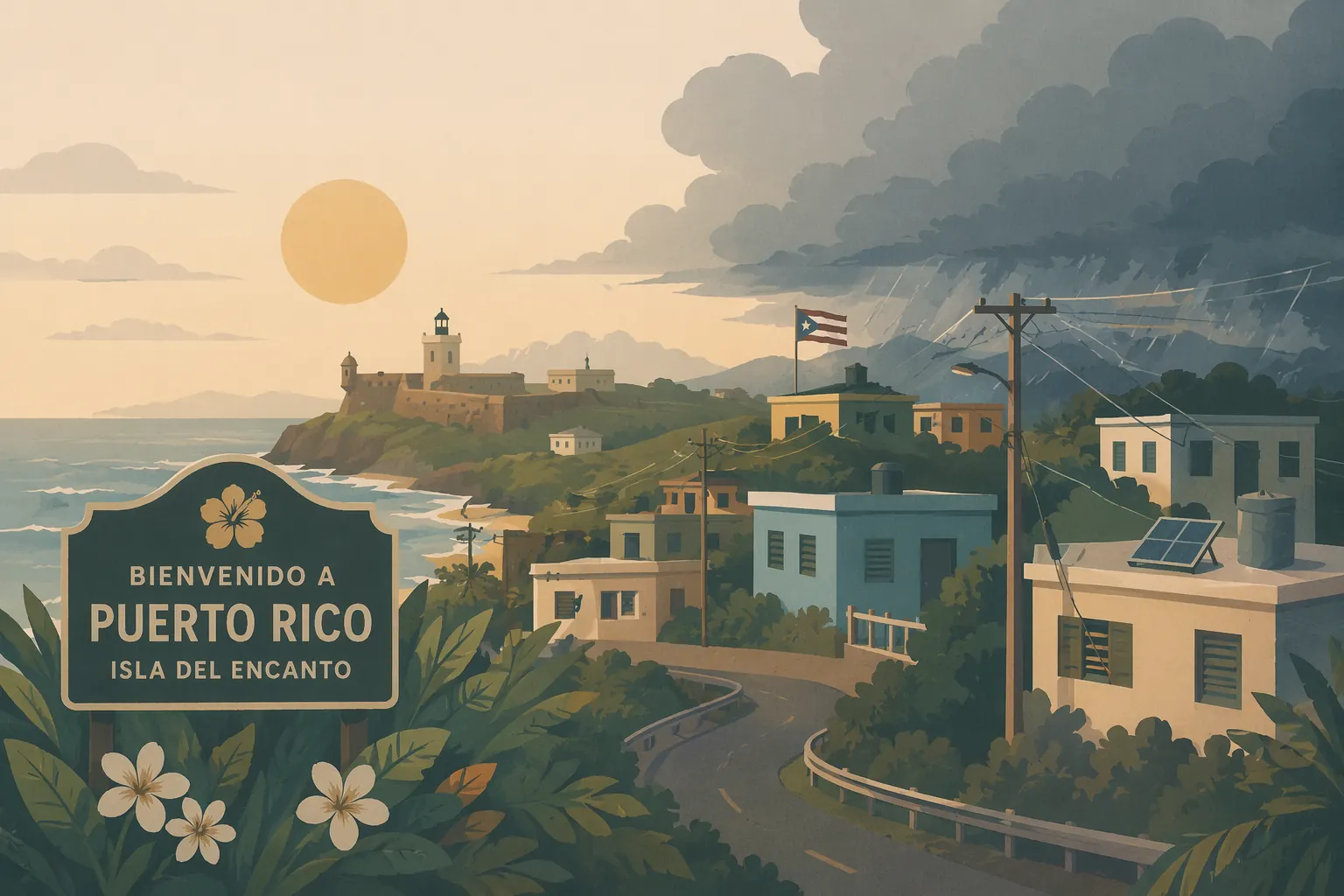
Island logistics, grid fragility, and supply planning for a place that cannot be reached by road.
Support this site
No ads. No affiliate links. If this made your hurricane prep clearer, you can help keep the site free and up to date.
Editorial note
This page was written and reviewed by Michael Hendrick on May 4, 2026. HurricaneSupplyList.com is an independent preparedness project with no ads or affiliate links.
This guidance is checked against Ready.gov, the National Hurricane Center, the National Weather Service, FEMA, and the state or local emergency management sources linked on the page.
Use this page to prepare early. When local officials issue evacuation orders, shelter instructions, weather alerts, or medical guidance, follow those primary sources first.